Engineering a Resilient Future: Sukumar Kamalasadan Attains Prestigious Fellowship
While the landscape of global energy undergoes a fundamental evolution, Sukumar Kamalasadan stands as a foundational architect of its stability. To recognize his impact, the Institute of Electrical and Electronics Engineers recently elected him as a Fellow of the organization, a distinction reserved for fewer than 0.1% of the organization’s voting membership. This recognition serves as more than a personal milestone for the Duke Energy Distinguished Professor of electric power engineering in the William States Lee College of Engineering. It is a testament to a career spent bridging the gap between theoretical brilliance and the practical realities of the modern grid.
A Milestone in Global Leadership
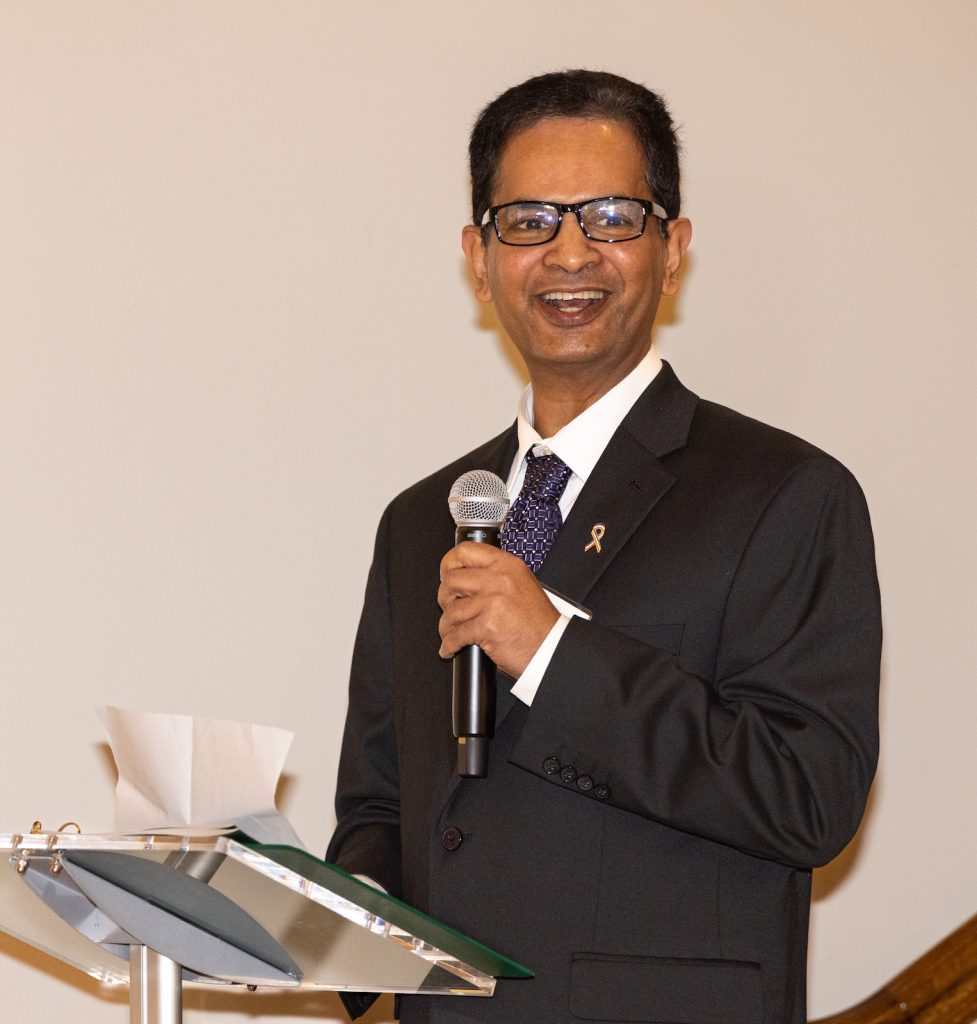
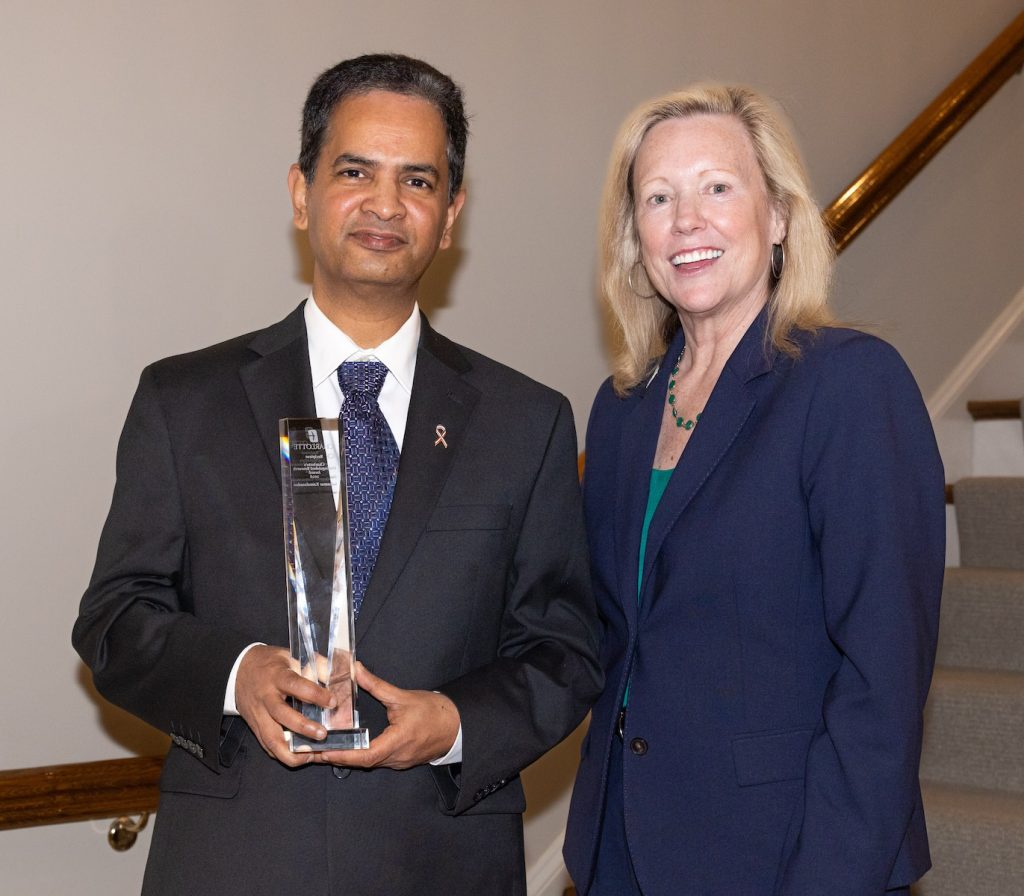
Effective Jan. 1, 2026, the IEEE recognized Kamalasadan for his pioneering leadership in system-level modeling and resilient grid strategies. This elite standing coincides with his receipt of the 2026 Charlotte Distinguished Research Award, UNC Charlotte’s highest faculty honor for scholarly excellence, presented Mar. 19.
“His influence spans both industry and academia, showcasing the breadth of his vision and impact,” said UNC Charlotte’s Vice Chancellor for Research, John Daniels, host of the research award event.
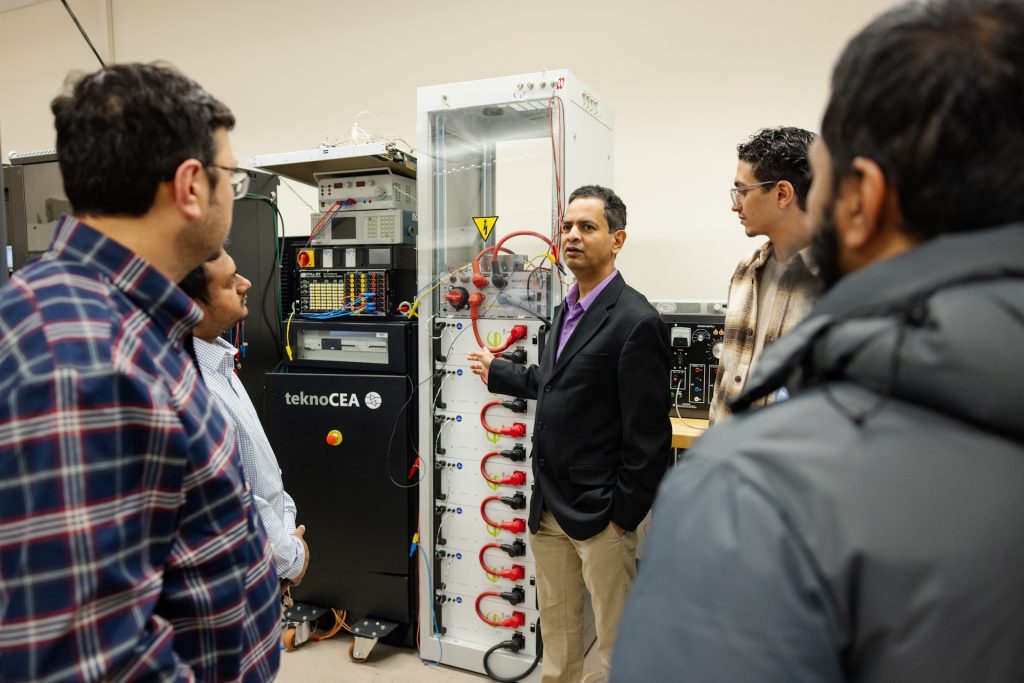
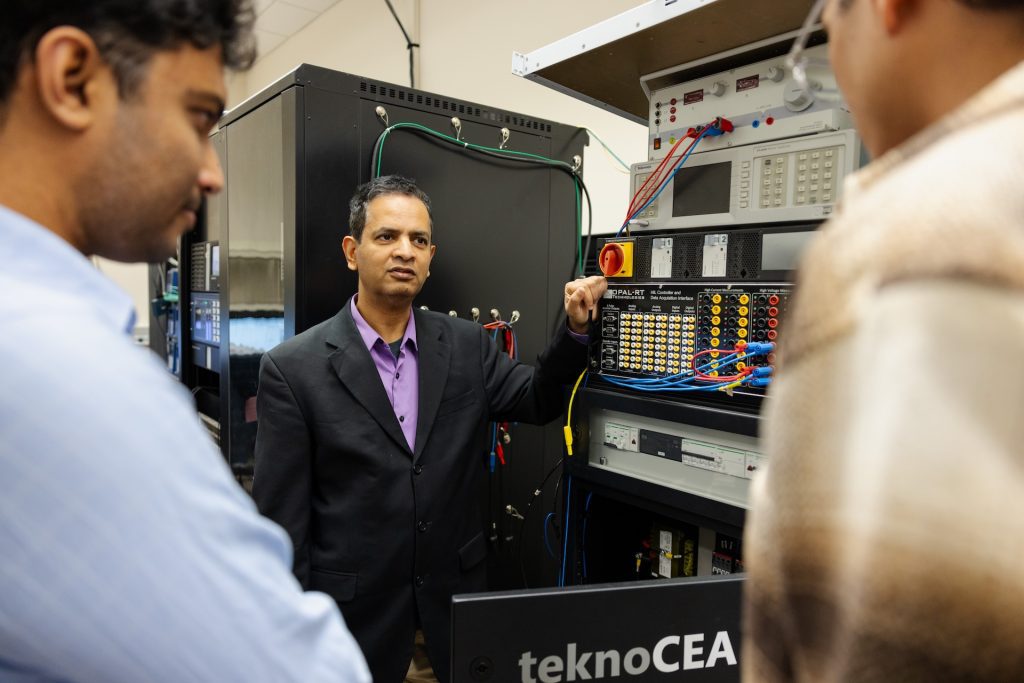
These honors reflect the intensity and dedication Kamalsadan holds as an associate of the Energy Production and Infrastructure Center and director of his Power Energy Intelligent Systems Lab. As he continues his investigations on the UNC Charlotte campus, the award-winning researcher is growing a global hub for power grid modernization.
“I am truly honored to receive both the IEEE Fellow distinction and the Distinguished Research Award. I am also grateful for the opportunity to contribute to the management and control of the electric grid with modern energy resources in an evolving energy landscape, alongside outstanding students, colleagues and collaborators.” – Sukumar Kamalasadan, IEEE Fellow
Mastery of the Modern Grid
Kamalasadan’s research portfolio addresses the most critical challenges of 21st-century energy infrastructure. His work has defined new benchmarks in power system dynamics, ensuring that as we move toward high-renewable-penetration electric grids, the transition is seamless. By mastering stability and control, he has developed field-tested renewable integration strategies that allow utilities to incorporate massive amounts of solar power without compromising the integrity of the system.
His technical contributions during his career at the W.S. Lee College of Engineering span the full spectrum of energy management, including:
- Smart grid and microgrid architecture.
- Power system operation and optimization.
- Renewable-energy-based distributed power generation.
- Stacked control for battery energy storage.
In short, Kamalasadan’s work acts as the “brain” of the power grid, creating the digital blueprints and safety controls needed to ensure that clean energy, like wind and solar, can power our homes reliably without causing blackouts or technical failures during a storm.
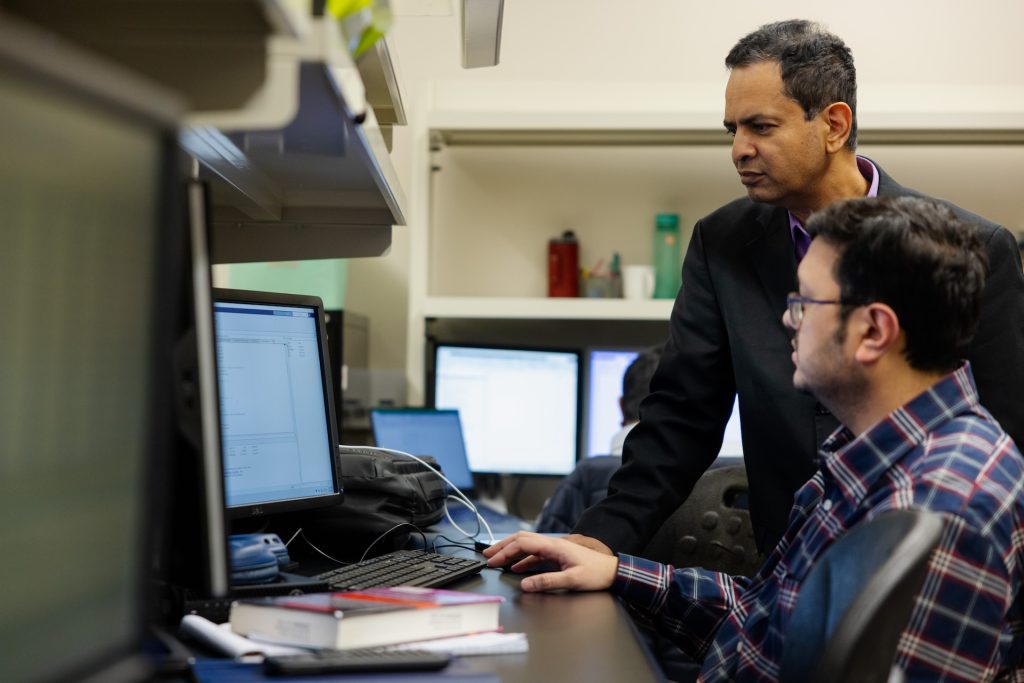
Looking ahead, Kamalasadan will continue to advance grid technologies that enable the reliable balancing of supply and demand, strengthen electric grid stability through coordinated control of inverter-based and emerging energy resources and address the challenges of evolving load dynamics. Meanwhile, he will continue training graduate students, supporting the next-generation leaders who will manage the future’s resilient, secure and sustainable energy system.
Impact Beyond the Lab
Kamalasadan continually demonstrates his unique gift for translating discovery into deployment. This impact was further solidified by his election to the 2026 Class of Senior Members of the National Academy of Inventors, honoring his measurable success in academic patents and commercialization. His innovations — backed by over $15 million in funding from the National Science Foundation, U.S. Department of Energy, and industry giants like Duke Energy and Siemens — are actively helping utilities maintain reliability during extreme weather events.
With three textbooks and over 100 technical articles in peer-reviewed journals, his scholarly output is continually cited by researchers across the globe. Yet, his legacy is perhaps most visible in the 67 graduate students he has mentored, many of whom now lead the charge in national laboratories and industry.Through his roles as Deputy Editor-in-Chief of IEEE Transactions on Industry Applications and a Distinguished Lecturer for the IEEE Power and Energy Society, Kamalasadan continues to shape the scientific principles that keep the world’s lights on, one innovation at a time.