Engineering PI and partners awarded NSF Regional Innovation Engines designation to modernize nation’s electric grid
July 14, 2026
A $160 million energy revolution is hitting the Carolinas, and UNC Charlotte is leading the charge.
The National Science Foundation has selected UNC Charlotte’s Grid Modernization Engine in the Carolinas as one of America’s newest NSF Regional Innovation Engines. This designation brings a federal investment of up to $160 million to the region, positioning North and South Carolina to play a larger national role in grid modernization and technology deployment. The effort is led by John Daniels, a William States Lee College of Engineering professor and the program’s principal investigator.
As PI, Daniels guides the Carolinas Grid Engine, a massive initiative that includes over 100 partners and spans 36 counties. Designed to build a smarter, more resilient energy future, the initiative enables UNC Charlotte and its partners to accelerate advanced grid technology development, facilitating solutions from lab ideation to industry adoption.
The landmark award represents a major milestone for the University, the region and the collective organizations involved. Through collaboration among higher education, industry and community leaders, the Carolinas Grid Engine will provide long-term impact by advancing innovation, workforce development and economic competitiveness across both states.

Has potential to become the largest grant in UNC Charlotte history ($15M first two years; up to $160M over 10 yrs)

Will be among the largest grants in NC university history

NSF Engines is the nation’s most significant investment in place-based R&D since 1862 when Congress created the university system.
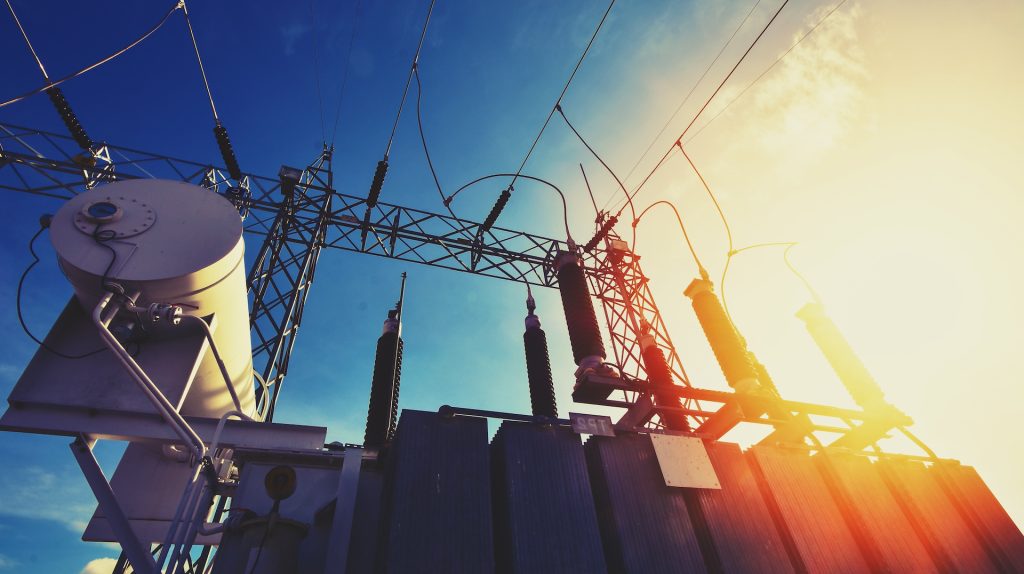
A history of leadership in energy and electric grid innovation
UNC Charlotte’s W.S. Lee College of Engineering began its energy focus decades ago, building its research capabilities, industry partnerships and workforce development system. In 2008, these early efforts accelerated when the college launched the Energy Production and Infrastructure Center. Backed by public and private investments, EPIC quickly became a vital resource, addressing more energy challenges while training a new generation of power engineers.
When Dean Rob Keynton arrived in 2020, he saw EPIC’s immense national potential for greater impact. He supported the expansion of the center into a premier national hub for energy exploration. Today, this rich history and foundation of steady preparation empowers EPIC to lead massive federal projects like the NSF Grid Modernization Engine in the Carolinas.

Understanding America’s Electric Grid: Why Modernization Matters
Why does America’s electric grid need modernizing?
Demand for electricity is growing and the infrastructure that delivers it is outdated. Aging power grids, built decades ago in many areas, struggle to handle today’s requirements, which are driven by population growth, new technologies, extreme weather and increasing electrification. Modernization is essential to make sure power is available to users 24/7 and to increase capacity and create reliable systems.
What challenges does the electric grid currently face?
Aging infrastructure, increased usage, cyberattacks, severe weather and increasing complexity present a number of pressures to today’s electric grid. Without a more modern infrastructure, we face…
Edited by: Monica Hughes
Photo credit: Ryan Honeyman